Feeling perpetually exhausted, wired, and disconnected from your own life is a clear signal that your nervous system is stuck in survival mode. This physical and emotional state is frequently referred to as “fight or flight mode.” At Westwind Recovery® in Los Angeles, we specialize in helping individuals move from a state of constant reactivity to one of grounded calm and resilience. The following outlines our continuum of compassionate, holistic care, designed to meet you where you are and guide you toward sustainable peace.
Learn what a sympathetic nervous system response is, what it feels like, and how to get your body out of fight or flight mode with tips and treatment.
Anxiety can cause spiraling thoughts that can lead to moments of overwhelm. For those struggling with mental health disorders, this can be a common occurrence. In these moments, simple, immediate tools are essential to help you regain your footing. One such tool is the 333 Rule, an easy-to-remember grounding technique designed to bring your focus back to the present and calm your nervous system.
Discover what the 333 Rule is, how it works, other examples of grounding techniques, and how Westwind Recovery® uses these exercises as part of broader mental health treatment.
What Is The 333 Rule?

The 333 Rule is a straightforward sensory grounding exercise used to manage acute anxiety or panic in the moment. Grounding techniques are mental exercises that challenge you to change your thought process and calm your body by being mindful and present. The 333 rule is just one example of a ground technique.
To practice it, you simply pause and intentionally name three things you can see, three things you can hear, and three things you can feel or touch in your immediate environment. The goal is not to eliminate anxiety but to briefly interrupt its cycle by forcing your brain to engage with the present moment through your senses. By redirecting your attention outward, this technique can create a crucial pause, helping to reduce the intensity of anxious feelings.
For example, if you’re in the grocery store and you start to feel overwhelmed, pause and practice the 333 rule:
- 3 Things You Can See: A staff member slicing deli meat, a price tag, and aisle markers.
- 3 Things You Can Hear: Voices of customers, the squeak of grocery cart wheels, the beep of a scanner.
- 3 Things You Can Feel: The handle of your shopping cart, the contents of your pocket, a product on the shelf
By interrupting the cycle of anxiety, you can help yourself feel more secure and grounded in the moment. This mindfulness can help you lessen the effects of your anxiety.
How Does the 333 Rule Help Cope with Anxiety?
The 333 Rule helps cope with anxiety by acting as a “circuit breaker” for the body’s fight-or-flight response. When anxiety strikes, your thoughts can race and spiral, but this technique demands focused, neutral observation, which engages different parts of your brain. The 333 rule incorporates your senses, which can force you to focus your mental energy on collecting sensory information.
This sensory grounding process can lower physiological arousal, such as a rapid heart rate, by anchoring you in the safety of the “here and now.” Ultimately, it provides a manageable, portable action you can take anywhere to regain a sense of control when you feel overwhelmed. Practicing the 333 Rule or another grounding exercise regularly can help manage anxiety conditions and is often used in therapy and mental health treatment programs.
When Can You Use the 333 Rule?
The beauty of the 333 Rule is its flexibility—it can be used anytime, anywhere you feel anxiety beginning to rise. You might use it during a stressful work meeting, before a difficult conversation, when feeling overwhelmed in a crowded store, or while lying awake with anxious thoughts at night. It is a discreet, first-aid tool for moments when you need to quickly self-regulate without drawing attention.
However, it’s most effective when practiced regularly, not just in a crisis, so you become familiar with the process when you truly need it. Try practicing it in moments of mild discomfort first, so you can be prepared when you need this grounding technique most.
For the most effective results, use grounding techniques alongside regular therapy sessions. This can offer an opportunity to explore patterns in your anxiety. Your therapist can work with you to identify triggers and new grounding techniques to try.
Other Examples of Grounding Techniques

While the 333 Rule is a powerful tool, it’s one of many grounding strategies that can help anchor you during periods of anxiety. These techniques work by connecting you to the present moment, engaging your senses, or distracting your mind from the cycle of worry.
Deep Breathing (Diaphragmatic Breathing)
This technique focuses on calming the body’s stress response by regulating your breath. Inhale slowly and deeply through your nose, allowing your belly to rise, then exhale fully through your mouth. Concentrating on the rhythm of your breath helps activate the body’s parasympathetic nervous system, which promotes relaxation. Practicing this for just a few minutes can reduce tension and create a sense of physical calm.
Mental Distraction or “Game Playing”
This involves giving your mind a specific, neutral task to pull focus away from anxious thoughts. You could try naming all the U.S. states in alphabetical order, counting backward from 100 by sevens, or listing every item you can see of a certain color. The cognitive effort required to complete these tasks interrupts the pattern of rumination. It is a useful technique for moments when you need a mental break from persistent worries.
Imagine Your “Happy Place”
Think of the place where you are the happiest, or an ideal vacation spot. Imagine what it would feel like, what weather you would experience, and what you would hear. For example, if your happy place is on a beach, you might imagine the sun on your skin, the sound of the waves on the shore, and the sand at your feet. This exercise can help you feel calm and distract yourself from the stressful situation.
Repeat Positive Affirmations
When you’re feeling upset or stressed, it’s important to speak to yourself kindly. This can offer reassurance and help you train yourself to think positively even when feeling anxious. Some examples of things you can say include:
- I am safe, everything will be okay.
- It’s okay to be upset.
- This feeling will pass.
- My body is calm, my mind is peaceful.
Affirmations are a great practice to keep to help build self-esteem and develop mindfulness skills that you can use when feeling anxious.
Some grounding exercises may work better for you than others. Try a few different techniques to see which works best for you.
Mental Health Treatment in Los Angeles, California at Westwind
At Westwind Recovery®, we understand that while grounding techniques like the 333 Rule are valuable for management, lasting healing from anxiety often requires comprehensive support. Located in Los Angeles, we offer personalized, compassionate treatment for anxiety and co-occurring mental health disorders. Our programs are designed to help you understand the root causes of your anxiety and build a full toolkit of strategies for long-term wellness.
Our Programs
If you or a loved one is struggling with anxiety, reaching out for professional help is a courageous step. Our team is here to provide the guidance and evidence-based care needed to navigate the path to recovery. We offer:
- Intensive Outpatient Program (IOP): This program is designed for individuals who require structured therapeutic support while living at home and managing daily responsibilities. It offers a robust schedule of group therapy, individual counseling, and psychoeducational workshops multiple times per week to foster stability and growth.
- Partial Hospitalization Program (PHP): Our PHP provides the highest level of outpatient care, acting as a bridge between residential treatment and traditional outpatient services. Clients participate in full-day, clinically intensive programming that includes comprehensive therapy and medical monitoring, all without an overnight stay.
- Dual Diagnosis Treatment: We specialize in treating individuals who experience anxiety alongside substance use or other mental health disorders, as these conditions frequently interact and worsen one another. Our integrated approach addresses all conditions simultaneously through coordinated care plans, leading to more sustainable and holistic recovery outcomes.
- Trauma-Informed Therapy: Since anxiety is often rooted in past experiences, our clinicians use proven methods like EMDR and somatic therapy to help process and heal from traumatic events. This foundational approach is essential for reducing the underlying triggers of anxiety and building a sense of present-moment safety.
If you’re not in the Los Angeles area, we also offer a virtual IOP, which gives you all the benefits of the traditional program from the comfort of your own home.
Don’t let anxiety control your life. Contact Westwind Recovery® today to learn more about our programs and how we can help you build a calmer, more confident future.
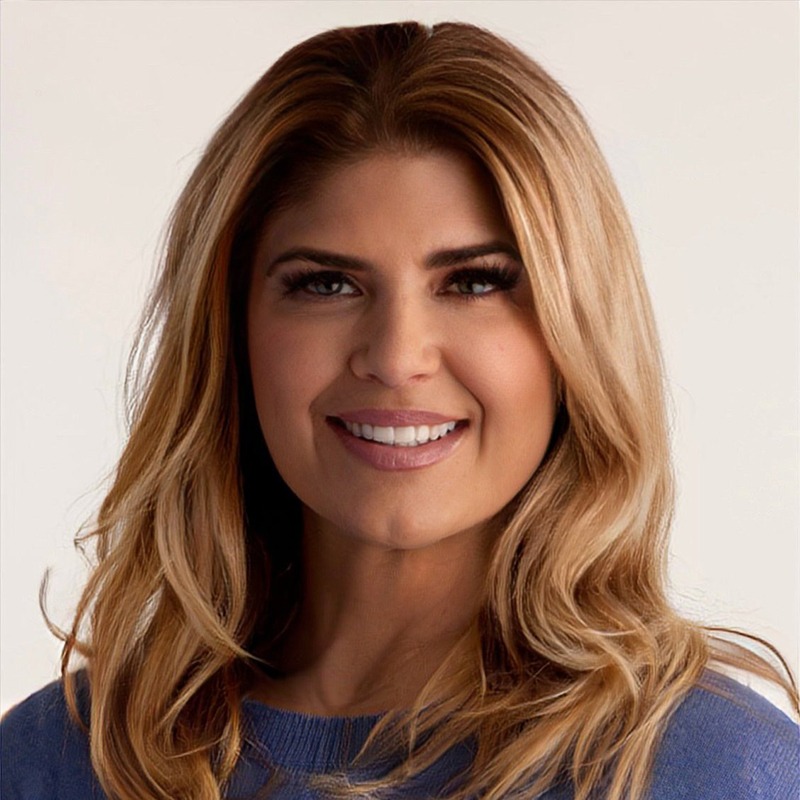
Dr. Deena is the Chief Clinical Officer of Westwind Recovery®, an award-winning outpatient treatment center in Los Angeles where she oversees the clinical and administrative program and treatment methods. Dr. Deena is a doctor of psychology and licensed clinical social worker since 1993. LCSW #20628. Originally from the East Coast, Dr. Deena has worked running treatment centers, worked as a therapist in psychiatric hospitals as well as school settings and currently has a thriving private practice in the LA area. Dr. Deena has appeared regularly on the Dr. Phil Show as an expert since 2003. She has also been featured on many other TV shows, podcasts and has contributed to written publications as well as podcasts.