Obsessive-compulsive disorder (OCD) is a serious mental health condition that can disrupt every aspect of a person’s life. For individuals and families in California seeking relief from the distress of OCD, specialized rehab programs offer hope and healing. Westwind Recovery® provides comprehensive, evidence-based OCD treatment in California, supporting clients with personalized care, a compassionate team, and a luxury environment designed for lasting recovery. By addressing both mental health and co-occurring substance use disorders, Westwind Recovery® helps clients reclaim their lives and build a foundation for long-term wellness.
What Is Obsessive-Compulsive Disorder (OCD)?

Obsessive-compulsive disorder is a mental health condition marked by persistent, unwanted thoughts (obsessions) and repetitive behaviors or mental acts (compulsions) that a person feels driven to perform. These symptoms can cause significant anxiety and interfere with daily functioning. OCD is not simply about being neat or organized; it is a chronic disorder that often requires professional intervention.
OCD can affect anyone, regardless of age, background, or lifestyle. The disorder often begins in childhood, adolescence, or early adulthood, and without treatment, symptoms can become more severe over time. Early recognition and intervention are key to managing OCD effectively.
How OCD Affects Individuals, Families, and Daily Life
OCD can impact every area of a person’s life, from work and school to relationships and self-esteem. Individuals may spend hours each day performing rituals or trying to suppress intrusive thoughts, leading to exhaustion and frustration. Family members may feel helpless or overwhelmed as they witness their loved one’s struggles.
The emotional toll of OCD can include feelings of shame, isolation, and hopelessness. Without support, individuals may withdraw from social activities or avoid situations that trigger their symptoms, further limiting their quality of life.
Recognizing the Signs and Symptoms of OCD
Obsessions are intrusive, unwanted thoughts, images, or urges that cause distress. Common obsessions include fears of contamination, harm, or making mistakes. Compulsions are repetitive behaviors or mental acts performed to reduce anxiety or prevent a feared event. Examples include excessive handwashing, checking, counting, or repeating actions.
These symptoms can vary widely from person to person. Some individuals may have obsessions primarily, while others experience mostly compulsions. Many people have both, and the severity can fluctuate over time.
Emotional and Behavioral Indicators of OCD
OCD often leads to intense feelings of anxiety, guilt, or shame. Individuals may recognize that their thoughts and behaviors are irrational but feel powerless to stop them. This can result in avoidance of certain places, people, or activities.
Behavioral signs may include:
- Spending excessive time on rituals
- Seeking reassurance from others
- Becoming easily frustrated when routines are disrupted
These patterns can interfere with work, school, and relationships.
When to Seek OCD Treatment in California
It may be time to seek professional help if OCD symptoms are interfering with daily life, relationships, or personal goals. Signs that rehab for OCD may be necessary include:
- Spending more than an hour a day on obsessions or compulsions
- Avoiding important activities due to anxiety or rituals
- Experiencing significant distress or impairment at work, school, or home
- Unsuccessful attempts to manage symptoms alone
Early intervention can prevent symptoms from worsening and improve the chances of recovery.
Dangers and Risks of Untreated OCD
Without treatment, OCD can become more severe and disabling. Untreated OCD increases the risk of:
- Depression and other mental health disorders
- Substance use as a way to cope with anxiety
- Social isolation and relationship problems
- Difficulty maintaining employment or academic performance
In some cases, untreated OCD can lead to suicidal thoughts or behaviors, highlighting the importance of timely, effective care. Early intervention is crucial for managing OCD and reducing its long-term impact.
Prompt treatment can help individuals regain control, reduce the severity of symptoms, and prevent complications such as co-occurring mental health or substance use disorders.
What to Expect from an OCD Treatment Program at Westwind Recovery®
At Westwind Recovery®, each client begins with a thorough assessment to understand their unique symptoms, history, and needs. This process includes clinical interviews, standardized assessments, and collaboration with family members when appropriate.
Accurate diagnosis is essential for developing an effective treatment plan. The team at Westwind Recovery® ensures that all co-occurring conditions, such as anxiety, depression, or substance use, are identified and addressed.
Westwind Recovery® utilizes evidence-based therapies proven to help individuals with OCD. These include:
- Cognitive-behavioral therapy (CBT), especially exposure and response prevention (ERP)
- Medication management when appropriate
- Mindfulness and stress reduction techniques
Treatment is tailored to each client’s needs, ensuring the best possible outcomes.
Every client receives an individualized treatment plan that reflects their goals, strengths, and challenges. Plans are regularly reviewed and adjusted based on progress and feedback.
Family involvement and education are encouraged to support recovery and improve communication. Clients also have access to holistic therapies, such as yoga, art therapy, and wellness activities, to promote overall healing.
Levels of Care in OCD Treatment Programs at Westwind Recovery®

At Westwind Recovery®, we offer multiple levels of care to ensure each client is matched with a program most appropriate for their needs.
Partial Hospitalization Program (PHP)
A partial hospitalization program (PHP) is best for those who require a higher level of care. A step down from residential treatment, PHP involves several hours of therapy and treatment per day, but clients return to their own homes in the evening. Also known as day treatment, this level of care offers structured, intensive treatment while supporting clients’ daily routines at home.
Outpatient and Intensive Outpatient OCD Treatment Options
For those who do not require 24-hour care, Westwind Recovery® provides outpatient and intensive outpatient programs (IOP). These options allow clients to receive high-quality OCD treatment in California while maintaining work, school, or family commitments.
Outpatient services include individual and group therapy, medication management, and ongoing support. IOP offers more frequent sessions and a higher level of structure, making it ideal for those transitioning from residential care or needing additional support.
Dual Diagnosis and Co-Occurring Disorders Support for OCD
Many individuals with OCD also experience co-occurring mental health or substance use disorders. Westwind Recovery® specializes in dual diagnosis treatment, addressing both OCD and other conditions simultaneously.
Integrated care ensures that all aspects of a client’s health are treated, reducing the risk of relapse and promoting lasting recovery.
Why Choose Westwind Recovery® for OCD Treatment in California?
Westwind Recovery® stands out for its commitment to individualized, evidence-based care in a luxury setting. At Westwind Recovery®, we believe that every person’s journey to recovery is unique. Our holistic approach addresses the mind, body, and spirit, combining evidence-based therapies with wellness activities and supportive services. Clients receive care that is tailored to their individual needs, preferences, and cultural backgrounds. This personalized approach fosters trust, engagement, and long-term success.
Experienced Clinical Team and Supportive Community
The clinical team at Westwind Recovery® includes licensed therapists, psychiatrists, and medical professionals with expertise in OCD and related conditions. Our staff members are dedicated to providing compassionate, nonjudgmental care in a welcoming environment.
Clients benefit from a strong sense of community, connecting with peers who understand their experiences and challenges. Family involvement is encouraged to strengthen relationships and support recovery.
Commitment to Long-Term OCD Recovery and Family Involvement
Westwind Recovery® is committed to supporting clients beyond their initial treatment. Aftercare planning, alumni programs, and ongoing therapy help individuals maintain progress and prevent relapse.
Family education and support are integral to the program, empowering loved ones to play an active role in the recovery process. This commitment to long-term care sets Westwind Recovery® apart as a trusted provider of OCD treatment in California.
Start Your OCD Treatment Program at Westwind Recovery®

Starting OCD rehab at Westwind Recovery® is a straightforward process. Prospective clients or their loved ones can reach out by phone or through our admissions page.
Our admissions team will guide you through a confidential assessment, answer questions, and help determine the most appropriate level of care. Insurance verification and financial planning support are also available.
Resources and Ongoing Support for Lasting OCD Recovery
Recovery from OCD is a lifelong journey, and ongoing support is essential. Westwind Recovery® offers aftercare planning, alumni groups, and connections to community resources to help clients maintain their progress.
Clients and families have access to educational materials, support groups, and therapy to address challenges that may arise after treatment. Westwind Recovery® remains a partner in each client’s journey, providing hope and guidance every step of the way. Contact us today to get started.
Frequently Asked Questions About OCD Treatment in California
The most effective treatments for OCD include cognitive-behavioral therapy (CBT) with exposure and response prevention (ERP) and, in some cases, medication such as selective serotonin reuptake inhibitors (SSRIs). Combining therapy and medication often leads to the best outcomes.
The length of an OCD treatment program varies based on individual needs and the level of care. Residential programs may last several weeks to a few months, while outpatient treatment can continue for several months or longer, depending on progress.
Yes, OCD can be treated alongside substance use disorders through a dual diagnosis approach. Integrated treatment addresses both conditions at the same time, improving the chances of lasting recovery.
Families can support a loved one by participating in education sessions, attending family therapy, and offering encouragement throughout the recovery process. Understanding OCD and learning healthy communication strategies are also helpful.
Many insurance plans cover OCD treatment, including residential and outpatient programs. It is important to verify your insurance coverage with your provider and work with the admissions team to understand your options.
After completing an OCD treatment program, clients typically transition to aftercare services, such as ongoing therapy, support groups, and alumni programs. Continued support helps maintain progress and prevent relapse.
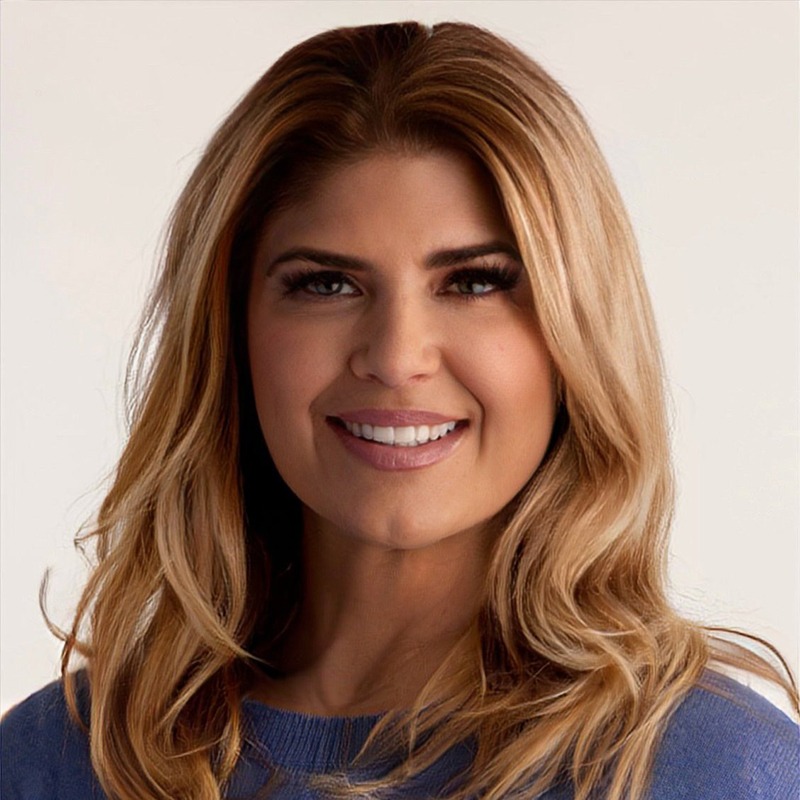
Dr. Deena is the Chief Clinical Officer of Westwind Recovery®, an award-winning outpatient treatment center in Los Angeles where she oversees the clinical and administrative program and treatment methods. Dr. Deena is a doctor of psychology and licensed clinical social worker since 1993. LCSW #20628. Originally from the East Coast, Dr. Deena has worked running treatment centers, worked as a therapist in psychiatric hospitals as well as school settings and currently has a thriving private practice in the LA area. Dr. Deena has appeared regularly on the Dr. Phil Show as an expert since 2003. She has also been featured on many other TV shows, podcasts and has contributed to written publications as well as podcasts.