Social anxiety disorder, clinically known as social phobia, is a mental health condition characterized by an intense, persistent fear of being watched and judged by others. This isn’t just shyness. It’s a chronic condition that can seriously interfere with daily functioning.
The National Institute of Mental Health notes that this disorder typically shows up in adolescence and can persist for years without treatment. The fear doesn’t match the actual risk; it’s way out of proportion. People can spend days or weeks dreading an event, convinced they’ll say something stupid or that everyone will see their anxiety.
What Are the Symptoms of Social Anxiety?
Social anxiety shows up as physical and emotional reactions before, during, or after being around people. Catching these signs early helps people find the right treatment faster.
Physical Symptoms of Social Anxiety
Physical symptoms kick in when your body’s stress response fires up in social situations. Your body treats social scrutiny like a physical threat.
Common physical indicators include:
- Rapid heartbeat: Experiencing heart palpitations or a racing pulse during interactions.
- Sweating: Excessive perspiration, particularly on the palms, face, or underarms.
- Trembling: Shaking in the hands, voice, or legs when speaking or being observed.
- Blushing: Uncontrollable facial flushing that causes embarrassment.
- Nausea: Stomach upset or digestive issues leading up to social events.
Emotional and Behavioral Signs of Social Anxiety
Emotional symptoms include constant worry and fear about how others judge you. These thoughts often start days or weeks before a social event.
Behavioral signs include:
- Intense worry: Excessive concern about upcoming social situations days or weeks in advance.
- Fear of judgment: Persistent thoughts about being criticized, rejected, or embarrassed.
- Avoidance behaviors: Declining invitations, skipping meetings, or avoiding eye contact.
- Self-consciousness: Feeling constantly watched or evaluated by others.
Severe Social Anxiety Symptoms
Severe symptoms mean it’s time to get professional help. Without treatment, severe social anxiety can trigger other mental health issues.
Warning signs include:
- Panic attacks: Sudden onset of intense fear accompanied by severe physical symptoms.
- Complete avoidance: Total inability to attend work, school, or social gatherings.
- Substance use: Relying on alcohol or drugs to cope with social situations.
- Depression: Persistent sadness or hopelessness stemming from social isolation.
What Causes Social Anxiety to Develop?

Social anxiety doesn’t have one cause; it comes from multiple factors working together. Genetic background significantly influences the likelihood of developing social anxiety. (This sentence should be removed or rewritten with a specific, current, and citable source from 2023-2026.)
Biological Factors:
- Genetics: Family history of anxiety disorders increases vulnerability.
- Brain chemistry: Imbalances in serotonin affect mood regulation.
- Amygdala activity: Heightened activity in the brain’s fear center creates stronger reactions.
Environmental Influences:
- Early experiences: Bullying, rejection, or harsh criticism during childhood.
- Parenting styles: Overprotective or highly critical family dynamics.
- Traumatic events: Public humiliation or significant social failures.
How to Cope with Anxiety in Social Situations
Coping with social anxiety means learning specific techniques that tackle both physical symptoms and negative thoughts. These methods ease symptoms and help individuals function better over time.
1. Practice Deep Breathing Techniques
Deep belly breathing triggers the body’s relaxation response and can ease physical anxiety symptoms within minutes. This technique can be used anywhere without others noticing.
Three effective breathing patterns include:
- 4-7-8 breathing: Inhale for 4 counts, hold for 7, and exhale for 8.
- Box breathing: Inhale for 4, hold for 4, exhale for 4, and hold for 4.
- Belly breathing: Place one hand on the chest and one on the stomach; focus on expanding the lower hand.
2. Use Grounding and Mindfulness Strategies
Grounding techniques pull a person’s focus away from anxious thoughts and back to the present moment. Mindfulness practices ease self-focused attention — one of the main things that keeps social anxiety going.
Grounding Techniques:
- 5-4-3-2-1 method: Acknowledge 5 things seen, 4 heard, 3 touched, 2 smelled, and 1 tasted.
- Body scan: Systematically relax muscle groups from head to toe.
- Present moment awareness: Focus on current physical sensations rather than future worries.
3. Challenge Negative Social Thoughts
Cognitive restructuring helps individuals spot and change the distorted thinking patterns that feed their anxiety. Combining cognitive strategies with exposure therapy leads to better results that last.
Cognitive Restructuring Process:
- Identify triggers: Recognize specific thoughts that increase anxiety.
- Question evidence: Ask “What proof exists that this fear will come true?”
- Consider alternatives: Generate more realistic perspectives.
- Test predictions: Gather evidence by engaging in feared situations.
4. Start with Small Social Exposures
Gradual exposure means facing feared situations in a controlled way to ease anxiety over time. Research shows exposure therapy works well, with effect sizes (Hedges’ g) ranging from 0.80 to 1.53 across studies. Facing feared situations repeatedly weakens the fear response.
Gradual Exposure Approach:
- Low-risk situations: Make eye contact with cashiers or say hello to neighbors.
- Medium challenges: Ask questions in small groups or initiate brief conversations.
- Higher goals: Attend parties, give presentations, or join social clubs.
5. Prepare for Social Situations in Advance
Preparation cuts down on uncertainty and gives you a game plan for handling anxiety at upcoming events.
Preparation Strategies:
- Conversation topics: Prepare 3 to 5 neutral subjects to discuss.
- Arrival planning: Arrive early to acclimate to the environment.
- Exit strategy: Plan how to leave gracefully if overwhelmed.
What are the Most Effective Social Anxiety Treatments
Research confirms that Cognitive Behavioral Therapy (CBT) is the gold standard for treating social anxiety disorder. Meta-analyses show it consistently works by using cognitive restructuring and real-world exposure.
Cognitive Behavioral Therapy for Social Anxiety
CBT helps patients identify and challenge beliefs about being socially incompetent or negatively judged. A study of 93 patients showed that 20 weeks of individual CBT lowered social anxiety and boosted quality of life. Even six-week CBT programs have proven effective.
Combining CBT with pharmacotherapy yields superior results over either alone. In children with anxiety disorders, CBT plus sertraline reduced severity more effectively than sertraline alone. Group CBT with 50 mg daily sertraline improved social behavior and reduced avoidance after 20 weeks, outperforming CBT with placebo.
Exposure Therapy and Social Skills Training
Exposure therapy uses Pavlovian extinction principles and is a gold-standard treatment. Virtual reality exposure therapy (VRET) matches in vivo exposure therapy efficacy across six randomized controlled trials involving 358 participants. Adding cognitive restructuring to exposure therapy helps prevent relapse at 6 to 12-month follow-ups.
Medication Options for Social Anxiety Disorder
Selective serotonin reuptake inhibitors (SSRIs) are the go-to medications for long-term management. Research shows escitalopram plus internet-based CBT reduced symptoms more than placebo right after treatment, though benefits faded by the 15-month follow-up.
First-Line Medications:
- SSRIs: Sertraline, paroxetine, and escitalopram for long-term management.
- SNRIs: Venlafaxine for individuals who don’t respond to SSRIs.
- Beta-blockers: Propranolol for performance anxiety and specific situations.
Holistic and Complementary Approaches
Holistic approaches treat the whole person by combining mental health strategies with physical wellness.
Evidence-Based Complementary Methods:
- Mindfulness meditation: Reduces anxiety and increases present-moment awareness.
- Yoga and movement: Physical practices that calm the nervous system.
- Breathwork techniques: Specialized breathing patterns for anxiety management.
Mental Health Treatment in Los Angeles
Los Angeles offers a full range of mental health treatment options for people dealing with social anxiety. Mental health professionals in the area use proven treatment methods for social anxiety disorder.
Outpatient Social Anxiety Treatment Programs
Outpatient programs provide structured treatment while allowing individuals to maintain their daily routines. Studies demonstrate that even brief CBT interventions lasting six weeks can produce meaningful improvements. Group therapy components allow individuals to practice social skills in supportive environments.
Intensive Mental Health Services for Severe Social Anxiety
Intensive programs provide higher levels of care for individuals experiencing severe social anxiety symptoms. Partial hospitalization programs offer structured treatment five to seven days per week. Research indicates that combining CBT with medication management produces superior outcomes compared to either treatment alone.
Virtual and Telehealth Anxiety Treatment Options
Virtual therapy platforms have expanded significantly, providing increased access to mental health treatment. Research shows internet-based CBT produces symptom reduction comparable to in-person treatment. Telehealth options eliminate common barriers like transportation challenges.
Westwind Recovery®’s women’s program offers specialized anxiety treatment approaches.
How to Support Long-Term Social Anxiety Recovery
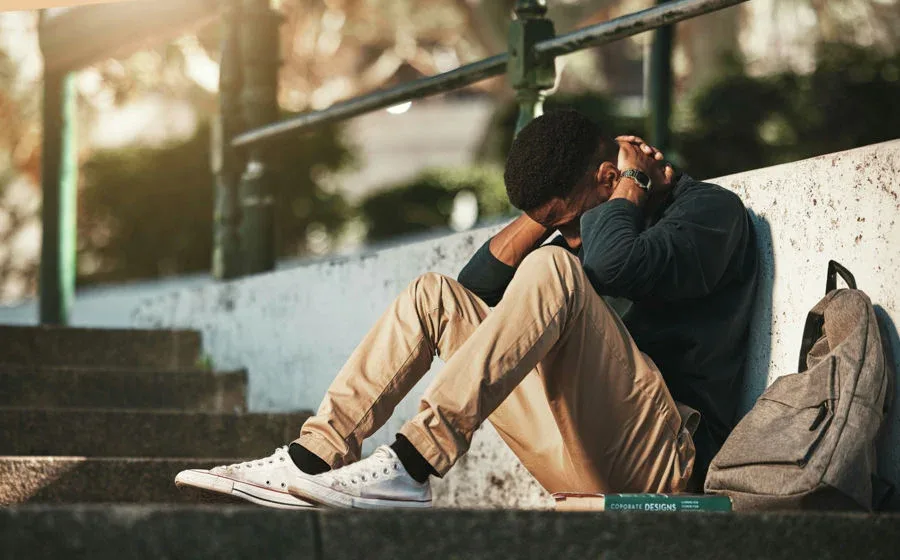
Maintaining progress after initial treatment requires consistent practice of learned skills. Meta-analyses confirm that adding cognitive strategies to exposure work improves outcomes at 6 to 12-month follow-ups.
Skill Maintenance
Continuing daily practice of breathing exercises and cognitive restructuring keeps social anxiety manageable. Regular engagement in moderately challenging social situations prevents avoidance patterns from returning.
Lifestyle Factors
Physical health directly impacts anxiety levels. Regular exercise, adequate sleep, and balanced nutrition support brain chemistry related to mood regulation. Maintaining connections with understanding friends creates a vital support network.
Finding Professional Social Anxiety Support in Los Angeles
Westwind Recovery® provides comprehensive mental health treatment for social anxiety in Los Angeles, offering evidence-based therapies and personalized care plans. Professional treatment addresses both social anxiety symptoms and co-occurring conditions.
Available Services:
- Comprehensive assessment: Evaluation determines appropriate treatment level.
- Individualized treatment planning: Customized approaches based on specific symptoms.
- Multiple therapy modalities: Access to CBT, exposure therapy, and complementary treatments.
Professional support provides tools to manage social anxiety symptoms effectively. Contact us to learn more about comprehensive treatment programs.

Dr. Deena is the Chief Clinical Officer of Westwind Recovery®, an award-winning outpatient treatment center in Los Angeles where she oversees the clinical and administrative program and treatment methods. Dr. Deena is a doctor of psychology and licensed clinical social worker since 1993. LCSW #20628. Originally from the East Coast, Dr. Deena has worked running treatment centers, worked as a therapist in psychiatric hospitals as well as school settings and currently has a thriving private practice in the LA area. Dr. Deena has appeared regularly on the Dr. Phil Show as an expert since 2003. She has also been featured on many other TV shows, podcasts and has contributed to written publications as well as podcasts.