Complex PTSD (C-PTSD) is a severe mental health condition that arises from prolonged, repeated trauma rather than a single event. While standard PTSD is often associated with combat or a specific accident, C-PTSD frequently stems from chronic interpersonal trauma such as domestic violence, childhood abuse, or long-term emotional neglect. Women develop PTSD at roughly two to three times the rate men do, a gap that demands gender-specific understanding and care. That’s why women deserve treatment designed specifically for their experiences.
Women often experience symptoms for an average of four years before receiving an accurate diagnosis, compared to just one year for men. This delay occurs because the signs of complex PTSD in women can manifest as personality traits or mood disorders rather than obvious trauma responses. When individuals can name what is happening to them, they can begin to heal.
Westwind Recovery®® specializes in treating women with complex trauma through a compassionate, holistic lens. We know healing means going deeper than symptoms—it means addressing the wounds that shape how you see yourself and connect with others. For individuals seeking support, mental health treatment programs in Los Angeles are designed to help them achieve lasting healing.
What is CPTSD?
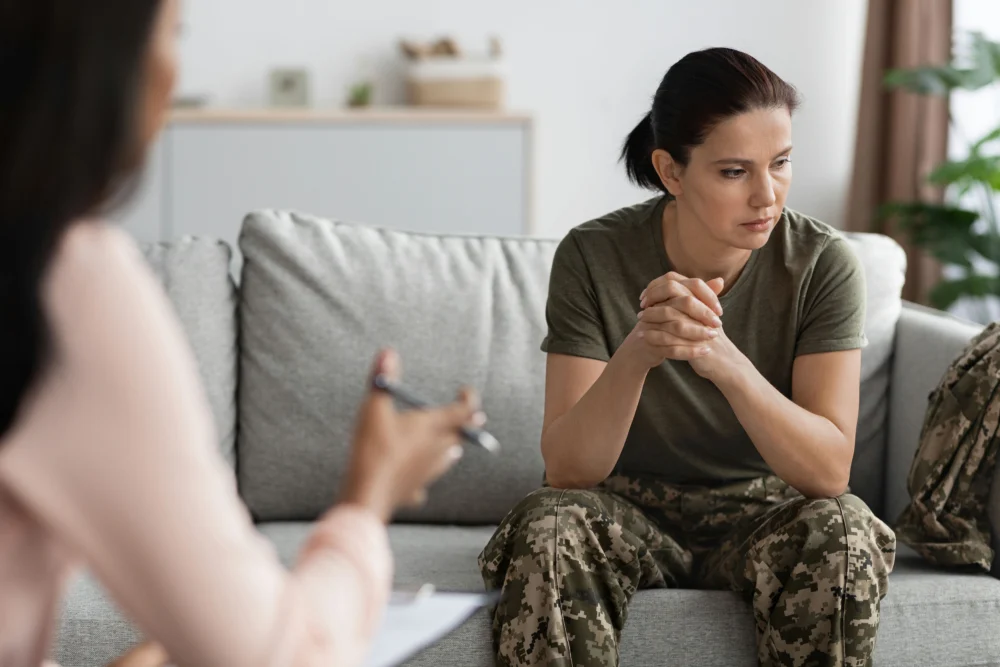
Complex Post-Traumatic Stress Disorder (CPTSD) is a condition that develops in response to chronic, inescapable trauma. Standard PTSD usually stems from one terrifying event. C-PTSD develops when trauma happens again and again—and there’s no way out. This often includes situations like long-term domestic abuse, human trafficking, or severe childhood neglect.
The World Health Organization officially recognizes CPTSD in the ICD-11 diagnostic manual. It encompasses all the core symptoms of PTSD—such as flashbacks and hypervigilance—but adds a cluster of symptoms known as “Disturbances in Self-Organization” (DSO). These symptoms change how a woman sees herself and manages her emotions—affecting nearly every part of her day.
The signs of complex PTSD in women extend beyond the classic “fight or flight” responses. Flashbacks are real, but what often hurts most is how C-PTSD warps your self-image and relationships. These signs are grouped into three primary categories: emotional dysregulation, negative self-concept, and interpersonal difficulties.
- Emotional Dysregulation: Severe difficulty managing emotional responses, leading to intense mood swings or numbness.
- Negative Self-Concept: A persistent, toxic belief that one is worthless, damaged, or defeated.
- Interpersonal Difficulties: Ongoing struggles to trust others, maintain boundaries, or feel safe in relationships.
Emotional dysregulation refers to an impairment in the ability to manage the intensity and duration of emotional reactions. For women with CPTSD, minor stressors can trigger overwhelming emotional responses that feel impossible to control. This is not simply “being emotional”; it is a neurological response to a nervous system that has been chronically dysregulated by trauma.
Common manifestations include:
- Reactive Anger: Sudden, explosive outbursts of anger or irritability that seem disproportionate to the situation.
- Chronic Numbness: Periods of dissociation where you feel detached from your body or emotions to avoid pain.
- Slow Return to Baseline: You can’t calm down for hours—sometimes days—after something sets you off.
A defining characteristic of CPTSD in women is a shattered sense of self. When trauma happens during childhood or in intimate relationships, it can shatter your sense of who you are. The National Institute of Mental Health confirms what survivors already know: this kind of trauma rewrites your identity. It’s deeper than low self-esteem. It’s believing you’re broken—or worse, that the abuse was somehow your fault.
- Toxic Shame: A pervasive feeling of humiliation or defectiveness that exists independently of current events.
- Guilt and Self-Blame: Taking responsibility for the traumatic events or feeling guilty for prioritizing your own needs.
- Feeling “Damaged”: The belief that you’re damaged beyond repair—that healing isn’t possible for someone like you.
Trauma that occurs within relationships often damages the ability to form safe connections in the future. You might swing between craving closeness and fearing abandonment—sometimes in the same conversation. This can lead to a pattern of unstable relationships or total social isolation.
- Isolation: Withdrawing from friends and family to avoid the risk of being hurt or judged.
- Trauma Bonding: Finding yourself drawn to relationships that feel familiar—even when they echo past abuse.
- Lack of Boundaries: Difficulty saying “no” or asserting needs due to fear of rejection or conflict.
How does Complex PTSD Differ from PTSD?
PTSD comes from one event. C-PTSD comes from trauma that never seemed to end—and the symptoms cut deeper. Standard PTSD is generally associated with a specific, acute traumatic event. In contrast, CPTSD arises from prolonged, repetitive trauma that often occurs during vulnerable developmental stages or within dependency relationships.
Both conditions involve avoidance and hypervigilance. But C-PTSD also changes who you are—how you see yourself and manage emotions. The table below outlines the key differences in symptom presentation.
| Feature | Standard PTSD | Complex PTSD (CPTSD)
|
| Primary Cause | Single traumatic event (e.g., accident, assault) | Chronic, repeated trauma (e.g., long-term abuse) |
| Core Symptoms | Flashbacks, avoidance, hypervigilance | All PTSD symptoms + Disturbances in Self-Organization |
| Self-Perception | Negative thoughts about the event | Negative thoughts about the self (shame, worthlessness) |
| Emotional Control | Anxiety and fear related to triggers | Pervasive difficulty regulating all emotions |
| Relationships | Strain due to symptoms | Fundamental difficulty trusting and connecting |
Why do Women Develop CPTSD More Often?
Women face different types of trauma—particularly interpersonal violence like sexual assault and domestic abuse. Women are disproportionately affected by interpersonal violence, such as sexual assault and domestic abuse, which are high-risk factors for developing complex trauma.
Biological and social factors also play a role. Women may experience higher levels of peritraumatic fear (fear felt during the event) and dissociation, both of which are predictors of severe PTSD. Society also teaches women to turn pain inward, which deepens shame and self-blame—making C-PTSD symptoms worse.
What Causes Complex PTSD in Women?
C-PTSD develops when trauma steals your sense of safety—not once, but over and over. When the person who’s supposed to protect you is the one hurting you, it destroys your ability to trust anyone—including yourself.
- Childhood Abuse or Neglect: Physical, emotional, or sexual abuse during formative years interferes with brain development and attachment.
- Domestic Violence: Living in a state of constant threat from an intimate partner creates chronic hyperarousal and fear.
- Human Trafficking: The total loss of autonomy and repeated exploitation involved in trafficking is a primary cause of CPTSD.
How Does Complex PTSD Affect Daily Life?
C-PTSD doesn’t stay in one corner of your life—it affects everything, often more severely than standard PTSD. Just getting through the day takes everything you have when you’re constantly managing emotions and hiding shame.
At work, C-PTSD symptoms often look like you’re underperforming or unmotivated—when really, you’re just trying to survive. Planning, focusing, remembering—these become nearly impossible when your brain is stuck in survival mode.
- Difficulty Concentrating: Intrusive thoughts or dissociation can make it hard to focus on tasks.
- Interpersonal Conflict: Trouble regulating emotions may lead to misunderstandings with colleagues or supervisors.
- Perfectionism: Some women push themselves to exhaustion, terrified of failing or being criticized.
C-PTSD puts enormous pressure on your closest relationships—with partners, kids, and family. The fear of abandonment may lead to “clinging” behaviors, while the fear of engulfment or abuse may lead to pushing loved ones away.
- Parenting Challenges: Mothers with CPTSD may find it triggering to deal with their children’s distress, or they may feel detached.
- Intimacy Issues: Physical or emotional intimacy can feel unsafe, leading to avoidance of closeness.
- Trust Deficits: When you can’t trust anyone’s intentions, building real connections feels impossible.
Many women with C-PTSD ignore their own needs because deep down, they believe they don’t matter. This can manifest as poor physical health, disordered eating, or a lack of basic self-care routines.
- Health Neglect: Avoiding medical appointments or ignoring physical symptoms due to anxiety or low self-worth.
- Sleep Disturbances: Chronic nightmares or insomnia are common, leading to exhaustion and worsening emotional regulation.
- Substance Use: Some women may turn to alcohol or drugs as a way to self-medicate and numb painful emotions.
Treatment for CPTSD in Los Angeles, California
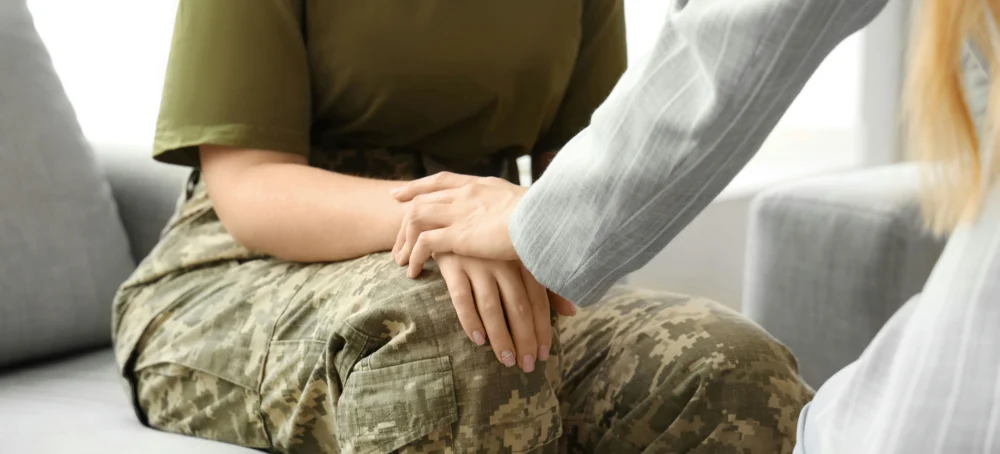
You can recover from C-PTSD. It takes the right kind of care, but healing is real. C-PTSD lives in your brain, your body, and your emotions—so treatment has to address all three. Our treatment centers can offer a safe, luxurious environment where women can focus entirely on their healing journey.
Evidence-Based Therapy Approaches
Healing happens in stages: first, you build safety. Then you process the trauma. Finally, you reconnect with life. We use therapies that actually change how your brain processes trauma and help you regain emotional stability.
- Trauma-Focused Therapy: Modalities like Eye Movement Desensitization and Reprocessing (EMDR) help process traumatic memories without re-traumatizing the client.
- Dialectical Behavior Therapy (DBT): Focuses on teaching skills for distress tolerance, emotional regulation, and interpersonal effectiveness.
- Somatic Therapies: Trauma lives in your body, not just your mind. Body-based therapies help release that tension and rebuild your sense of safety.
Comprehensive Programs for Women
At Westwind Recovery®®, we provide a full continuum of care tailored to the unique needs of women. Clinical Director Deena Manion, PsyD, LCSW, leads our team in combining proven clinical methods with whole-person healing.
Our programs include:
*Outpatient Services: Flexible levels of care, including PHP and IOP, to support you at every stage.
* Holistic Modalities: Yoga, meditation, and art therapy to support whole-person healing.
* Gender-Specific Support: Our women’s treatment programs create a safe space to discuss sensitive issues related to gender-based trauma.
Westwind Recovery®® Can Assist with Complex PTSD
Seeing these signs in yourself takes courage. It’s also how you start to break free. You don’t have to do this alone. Westwind Recovery®® is dedicated to providing the compassionate, expert care you deserve in a supportive community setting.
If you or a loved one is struggling with the effects of chronic trauma, we are here to help you reclaim your life. Contact us today to learn more about our admissions process and begin your path to lasting recovery.
References
https://www.nimh.nih.gov/health/topics/post-traumatic-stress-disorder-ptsd
https://www.samhsa.gov/trauma-violence
https://www.ncbi.nlm.nih.gov/pmc/articles/PMC8654416/
https://www.ncbi.nlm.nih.gov/pmc/articles/PMC6224348/
https://www.womenshealth.gov/mental-health/mental-health-conditions/post-traumatic-stress-disorder

Dr. Deena is the Chief Clinical Officer of Westwind Recovery®, an award-winning outpatient treatment center in Los Angeles where she oversees the clinical and administrative program and treatment methods. Dr. Deena is a doctor of psychology and licensed clinical social worker since 1993. LCSW #20628. Originally from the East Coast, Dr. Deena has worked running treatment centers, worked as a therapist in psychiatric hospitals as well as school settings and currently has a thriving private practice in the LA area. Dr. Deena has appeared regularly on the Dr. Phil Show as an expert since 2003. She has also been featured on many other TV shows, podcasts and has contributed to written publications as well as podcasts.